
How a Peanut Brand Turned Memes into a 35k MRR, Using Humor as the Core Growth Engine
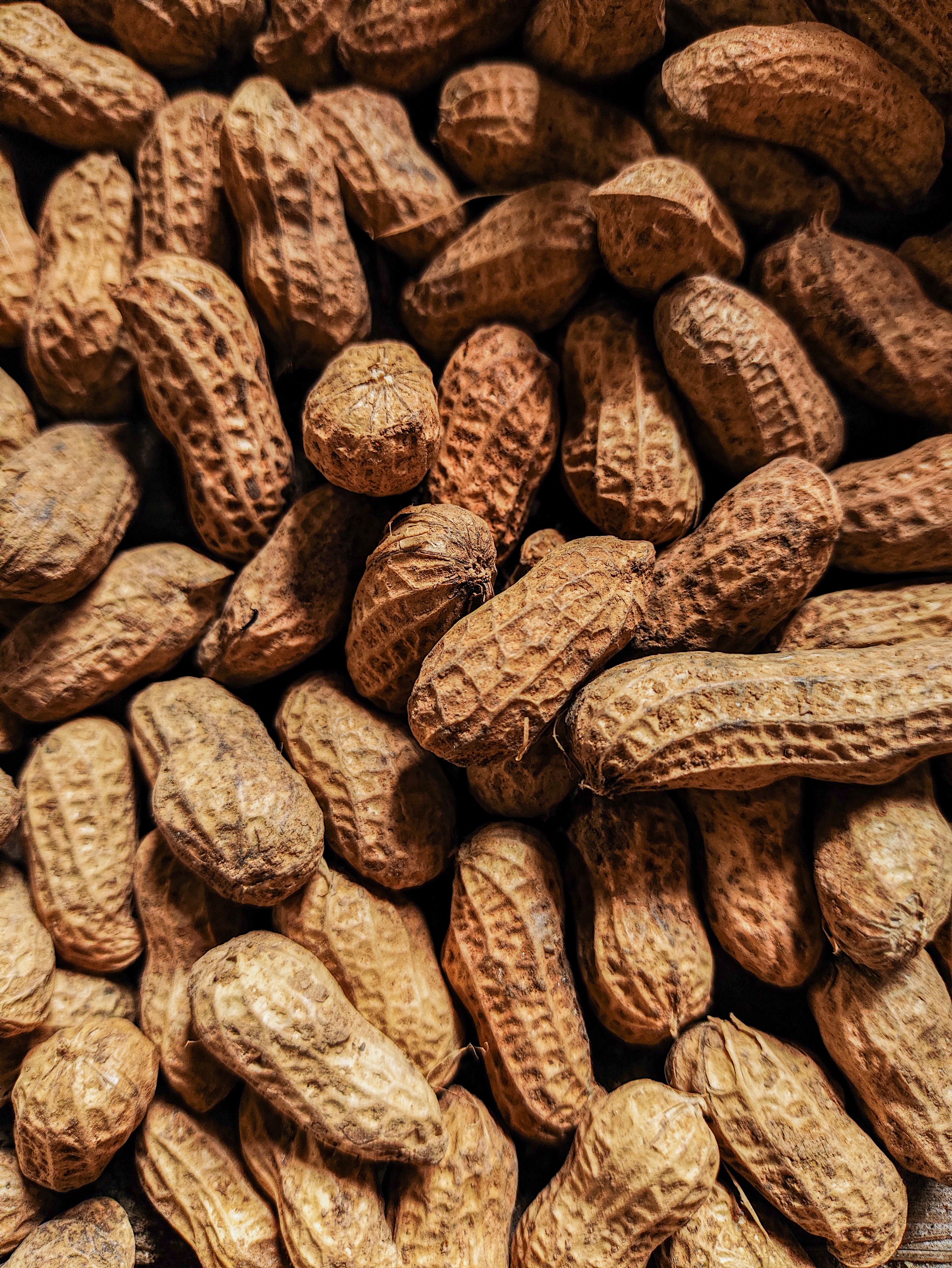
This article shares the exact, repeatable playbook we used to grow a tiny DTC peanut brand with a $9 average order value into a sustainable, meme-driven business. If you run an eCommerce operation, you’ll find the tested steps, the misfires, and the scalable wins laid out clearly.
Overview
Challenge: A small DTC peanut brand with a $9 AOV could not profit from paid ads. The ROAS was failing, CAC was high, and the math didn’t add up without either drastic CAC reductions or a meaningful lift in LTV at launch.
Opportunity: Build a content-first brand that creates cheap, scalable attention and converts it into owned audience assets—emails, younger channels, and an actual funnel that can be monetized repeatedly.
Results (6–9 months)
- 2.5 million organic impressions per month
- Approximately 80,000 followers across Reddit, Quora, Instagram, and LinkedIn
- A profitable subscription/retention funnel that shifted growth from paid acquisition to an owned audience
1) What Didn’t Work at the Start
Brand: small direct-to-consumer peanut company
AOV: around $9
Experiments included:
- Broad targeting (Facebook, Instagram, Google Ads, Amazon Ads)
- Various creative angles (lifestyle shots, user-generated content, product explainers)
- Different offers and discounts
Outcome: Return on ad spend (ROAS) never recovered CAC. With a low AOV, profitability required either a drastic CAC cut or a sizable increase in lifetime value, which wasn’t realistic at launch. The conclusion: we needed a model that produced cheap attention at scale and built a monetizable owned audience.
2) Adopting Meme Marketing
Strategy: Create memes that resonate with specific micro-audiences and then scale the formats that perform.
Two steps:
- Pick a narrow audience segment and craft memes that feel tailor-made for them.
- Double down on the formats that perform for that segment before expanding to the next segment.
Key point: Execution trumps originality. Broad, inconsistent memes are a common reason meme marketing fails.
3) Audience Segmentation
Process: List all peanut-snacking scenarios and rank them by cultural relevance, ease of discovery online, and share potential.
Core segments identified:
- Netflix binge watchers: memes that tap into show-specific humor and relatable reactions
- College students: procrastination, late-night snacking, lecture humor
- Office workers: meeting fatigue, desk-snack culture, relatable workplace frustrations
Reason this works: Memes must align with the context of each community. A joke that lands with teens won’t land with marketing professionals; tone and references must be tailored.
4) Creative Production Playbook
Treat memes like a product line—structured, repeatable, scalable.
Format Library (8–12 repeatable types)
- Reaction image with a two-line caption (e.g., Netflix-style stills)
- Split-panel comic (expectation vs. reality)
- “When you…” caption tied to product
- Short vertical videos (6–12 seconds) with captions
Hook Library
- Emotional triggers: nostalgia, embarrassment, relatability, status signaling
CTA Rules
- Soft CTAs on first touch (e.g., “Tag a coworker who…” or “Which show made you eat a whole jar?”)
- Hard sales later in the funnel
Batch Process
- Create 20+ memes in one session
- Create variations through caption swaps, image swaps, platform-specific crops
Template Naming
- Score each template for engagement
- Name top performers (e.g., “OfficeZoomSnack_v2”) to enable quick search and reuse
Examples by Segment
- Netflix: Still image + caption like “Me opening my 3rd pack because the show said ‘one episode’” with a comment prompt
- College: Split-panel humor about professor-length writing vs. snack cravings; CTA to tag a roommate
- Office: Short clip of sneaking a snack during a Zoom call; CTA to share if you hide snacks at your desk
5) Testing System
Every meme is an experiment.
Test Matrix: Format × Hook × Audience Segment × Platform
Workflow
- Post organically for 48–72 hours
- If engagement passes a threshold, boost with $50–$200 in native ads
- Track: impressions, saves, comments, CTR to bio/landing page, email captures, first-purchase conversion rate
- Score = Engagement × CTA conversion
- Keep the top 10% of creatives; archive or tweak the rest
Rule: Never run paid tests before organic performance is validated.
6) Distribution Across Platforms
No single-channel dependence. A cross-platform approach included:
- Reddit: Targeted subreddits per segment; avoid spam; smart cross-posting
- Instagram: Reels for discovery; carousels for depth; adjust tone for platform culture
- Quora: Long-form answers with embedded memes for visual hooks
- LinkedIn: Office memes often resonated with managers
- Owned channels: All posts directed toward a landing page with email/SMS opt-ins and freebies or discounts
Pro tip: Answer quickly within the first hour after posting to boost reach.
7) Converting Attention into Revenue
The viral post needs a strong sales system.
Funnel
- Meme → Link in bio → Content landing page
- CTA: email opt-in for giveaways or direct product page click
- Welcome email sequence (3 emails over 7 days)
- Day 1: Thank-you
- Day 3: Social proof + snack story
- Day 7: Limited-time bundle or subscription offer
- Small bundles and subscription incentives to lift AOV
- Paid ads for top-performing memes with matching landing-page voice and visuals
Golden rule: The landing page tone must match the meme’s voice. Mismatch reduces conversions.
8) Pricing, Offers, and Checkout Tweaks
To support a low AOV:
- At-checkout upsell (e.g., “Crunch Pack”)
- Subscription perks: free shipping and additional discounts
- One-click reorder links in emails
- Friction reduction: guest checkout, express payment, playful microcopy
9) Key Metrics
- Engagement Rate: (likes + comments + saves) / impressions
- CTR to landing page: actionability and influence over attention
- Email capture rate
- First-purchase conversion
Profitability emerged when repeat purchase rate + email capture rate reduced CAC below the target payback period.
10) Notable Wins
- Office memes on LinkedIn yielded steady acquisition; strong engagement from managers
- 6–12 second vertical videos outperformed static posts when aligned with landing-page tone
- Quora answers with embedded memes produced evergreen, high-converting traffic
- Focusing on a single segment for 4–6 weeks before switching outperformed scattershot posting
11) Tracking and Attribution
- Tag every creative with UTM parameters (e.g., netflix_react_v3 for email capture rate)
- Track LTV by acquisition source for 90 days
- Multi-touch attribution matters, but early decisions relied on last non-direct click and email cohort behavior
12) Repurposing for ROI
A single meme could be repurposed across formats and platforms, multiplying ROI without creating new content from scratch
- Static post → Instagram, Reddit
- Vertical video → Instagram Reels, TikTok
- GIF → LinkedIn, Quora
- Thread → Twitter, LinkedIn
- Downloadable pack → email lead magnet
13) Timeline and Budget Reality
- 3 months: momentum and organic reach growth
- 6–9 months: scaled results and a profitable funnel
- Paid testing budget per segment: $300–$1,000/month
- The majority of growth came from organic virality and owned-channel monetization
Final Takeaways
Memes function as the distribution strategy. They will only convert if the funnel, offers, and checkout experience reflect the same tone as the memes.
For this brand, meme-first marketing paid for itself only after the backend—email flows, retention offers, and upsells—was ready. Had we started courting paid performance earlier, the result would likely have flopped.
Key recommendations
- Iterate quickly on creative
- Capture attention into owned channels
- Align offers to boost AOV and retention
- Build your funnel around the humor, not after it
If you’d like access to our exact SOPs, I can share more detailed guidance.